Prices are too high. But what can the state do about them?
Many of the biggest drivers of cost are outside of state control, like inflation, interest rates, global supply chains, and federal policy.
But there are still areas where the state can make a meaningful difference.
A typical household budget looks like this:
| Category | % of Income | What’s Included | State Impact |
|---|---|---|---|
| 🏠 Housing (excl. property tax) | 25–30% | Mortgage or rent, insurance | 🟡 Some Impact |
| 🏛️ US Federal Taxes | 10–15% | Federal income tax | ⚫ Limited / No Control |
| 🏛️ State Taxes (Oregon) | 6–9% | Oregon income tax | 🟢 High Impact |
| 🧾 Payroll Taxes | 7–8% | Social Security + Medicare | ⚫ Limited / No Control |
| 🏘️ Property Taxes | 5–8% | County, city, schools, fire districts, bonds | 🟡 Some Impact |
| 🏘️ Local Taxes & Fees (non-property) | 1–3% | Fees, minor local taxes, utility surcharges | 🟡 Some Impact |
| 🚗 Transportation | 15–20% | Car payments, gas, insurance, maintenance | 🟡 Some Impact |
| 🛒 Food | 10–15% | Groceries + dining | 🟡 Some Impact |
| ⚡ Utilities | 8–12% | Power, water, sewer, garbage, internet | 🟢 High Impact |
| 🏥 Healthcare | 8–12% | Premiums + out-of-pocket | 🟡 Some Impact |
| 👶 Childcare / Activities | 0–15% | Daycare, sports, lessons | 🟡 Some Impact |
| 📱 Personal / Lifestyle | 5–10% | Phones, subscriptions, clothing | ⚫ Limited / No Control |
| 💳 Debt / Savings | 5–10% | Loans + savings | ⚫ Limited / No Control |
The high-impact levers are with utilities and state taxes.
There are indirect levers in housing, transportation, childcare, healthcare, and food.
My focus is on practical, targeted policies where action can actually make a difference.
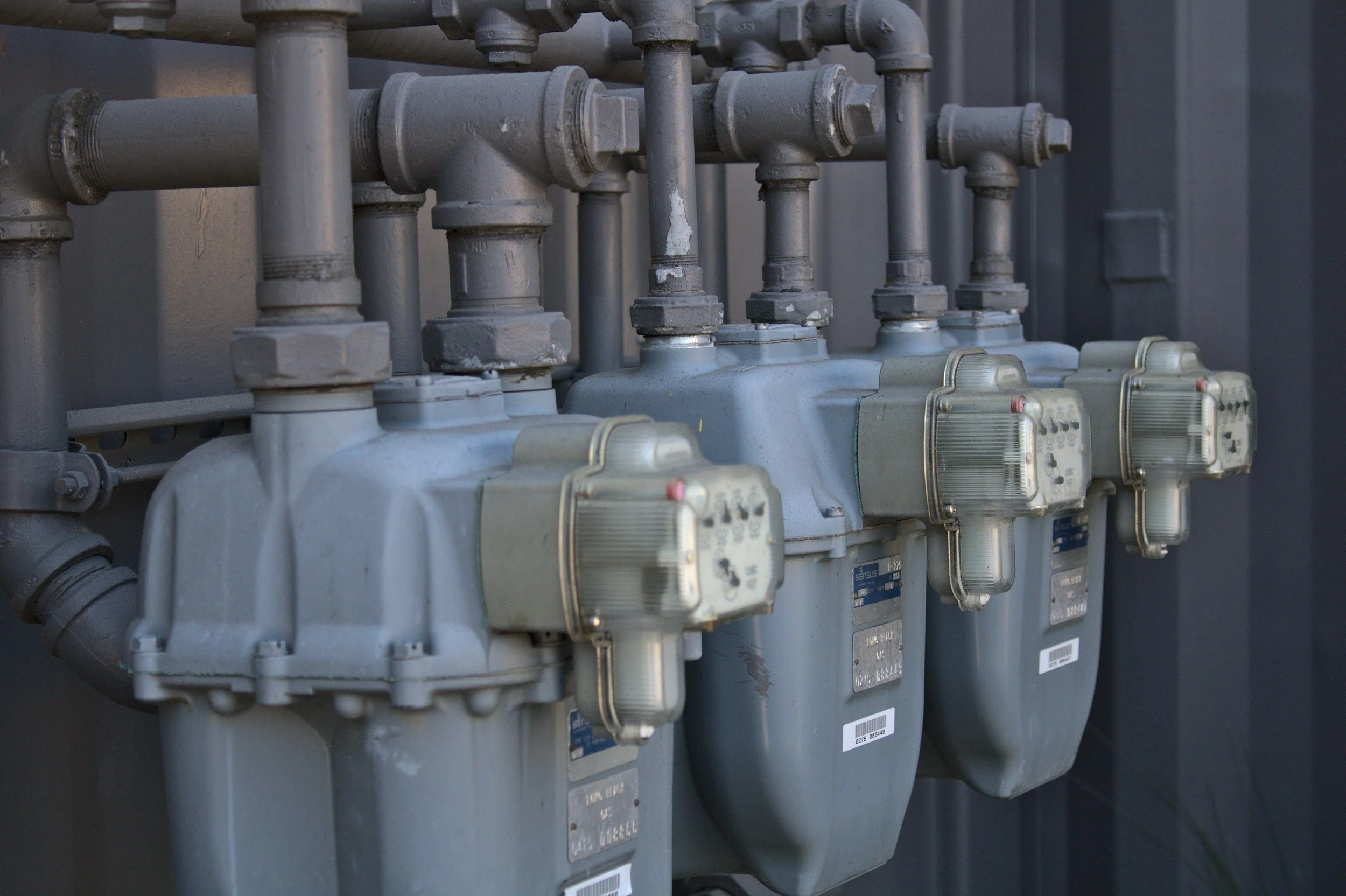
Utilities (8–12% of income)
High State Control
Utilities are one of the clearest areas where the state directly affects what people pay each month.
Utility prices aren’t set purely by the market. In Oregon, electricity and natural gas rates are regulated by the state through the Public Utility Commission. In District 51, electricity is provided by Portland General Electric (PGE), which operates as a monopoly, so the usual competitive pressures that lower prices don’t apply.
That means the state plays a direct role in how rates are approved, what costs utilities can pass on to customers, and how much profit they are allowed to earn.
Utilities still need to cover real costs and maintain reliable infrastructure. But when there’s no competition, the responsibility falls on the state to make sure the system is working in the public’s interest.
If we’re serious about lowering costs, this is one of the most immediate and practical places to act—by scrutinizing rate increases, improving transparency, and keeping long-term affordability front and center.
State Taxes (6–9% of income)
High State Control
State taxes are one of the few areas where government directly impacts what people take home.
And while it’s tempting to jump straight to cut taxes to lower costs, the reality is more complicated. These dollars fund schools, healthcare, public safety, and infrastructure—things we rely on.
So the real question isn’t just how much we tax, it’s: are we getting full value for what we already pay?
Over time, layers of programs, rules, and agencies have built up. That complexity creates real costs, more administrative overhead, slower delivery, and higher compliance burdens that get passed on to everyday people.
Before asking Oregonians to pay more, or promising cuts that aren’t realistic, we should attempt to make the system work better (simplify overlapping programs and rules, reduce administrative waste and duplication, make government easier to navigate), because if we can deliver better results with the same dollars, people should actually feel it: fewer hoops, faster service, and systems that work the first time. If we’re asking people to pay a meaningful share of their income, they should feel the value.
Housing (25–30% of income)
Some State Control
Housing is the biggest expense for most households, and one of the hardest for the state to directly control.
Prices are driven by what people can pay, along with interest rates, construction costs, and national demand. Most of that is outside the state’s control.
But the state does shape the rules of the system.
Zoning laws, permitting timelines, and land use policies all affect how much housing gets built, and how long it takes. When it’s difficult or slow to build, supply stays tight and prices stay high.
The state can’t lower housing costs overnight. But over time, making it easier to build, through clearer rules, faster permitting, and allowing more housing types, is one of the few ways to improve affordability.

Transportation (15–20% of income)
Some State Control
Transportation is a major cost for most households, but the state’s influence here is mostly indirect.
The state doesn’t control car prices or insurance. But it does shape how much people need to drive, and what it costs to get around.
Through gas taxes, road funding, and land use policy, the state influences both the cost of travel and the distance between where people live, work, and shop.
When daily life requires long commutes, transportation costs rise.
The state can’t control every part of this, but it can make choices that reduce the burden over time.

Healthcare (8–12% of income)
Some State Control
Healthcare is a significant, and often unpredictable, cost, with responsibility split between federal policy, private markets, and the state.
Most pricing decisions are driven at the national level, or by insurers and providers, so the state doesn’t control costs directly.
But it does play a role in how the system functions. In Oregon, the state oversees Medicaid through the Oregon Health Plan and regulates parts of the insurance market, shaping coverage, transparency, and access to care.
The state can’t solve healthcare costs on its own. But it can make the system work better—and more affordably—for the people who rely on it.

Childcare & Activities (0–15% of income)
Some State Control
Childcare is one of the most challenging and variable costs for families. For some, it’s minimal. For others, it can rival housing.
Unlike many other categories, childcare costs are heavily shaped by regulation, labor, and availability. Providers face real constraints, like staffing ratios, licensing requirements, and operating costs, that limit supply and drive prices. That’s where the state has real influence.
By setting the rules for providers and supporting families through subsidies and early learning programs, the state directly affects both how much childcare is available and what families pay.
The state can make childcare more accessible, more predictable, and easier for families to afford.

Food (10–15% of income)
Some State Control
Food is a major part of household spending, but most of what drives prices is outside the state’s control.
Grocery and restaurant costs are shaped by supply chains, labor, fuel, and national market forces. These are largely set at the federal and global level.
Oregon does help at the margins. The state doesn’t tax groceries and supports access through programs like SNAP and agricultural policy.
The state can’t control what groceries cost, but it can help keep basic necessities as accessible and affordable as possible.
What do you think?
What should the state be focused on?