How Oregon can Grow its Economy by Investing in People
Oregon Is Falling Behind
After decades of strong growth, Oregon’s economy has slowed.
Population growth has plateaued, student outcomes in reading and math are struggling, and the cost of living continues to rise.
At the same time, states like Texas, Colorado, and North Carolina are investing aggressively in talent, and growing faster as a result.
Oregon’s economy runs on workers. Unlike most states, Oregon does not have a sales tax and relies heavily on income taxes.
When people and jobs leave, revenue falls, public services weaken, and economic decline accelerates.
To reverse this trend, Oregon must grow its workforce.
The Talent Flywheel
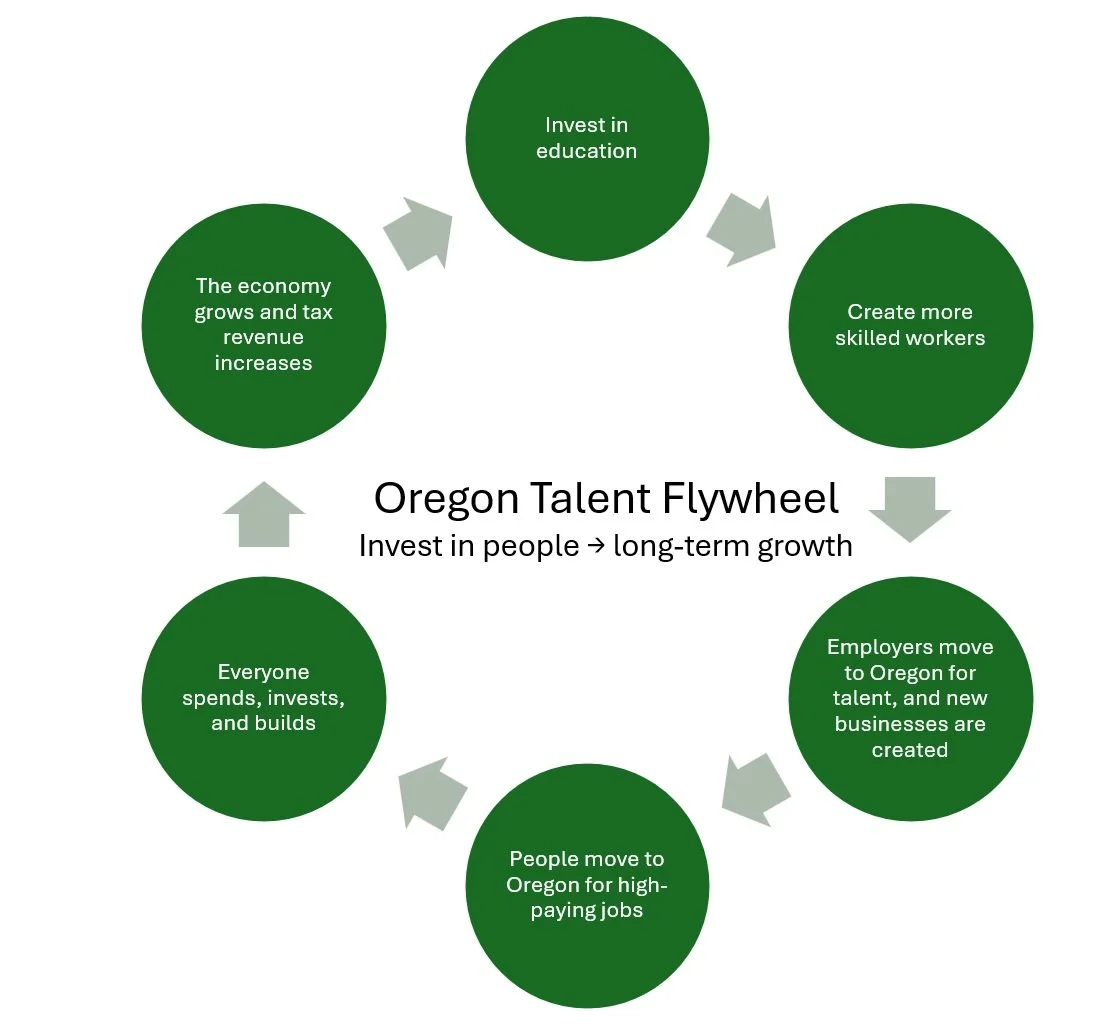
The goal is simple: build the strongest talent economy in America by creating a talent flywheel.
Invest in education → create more skilled workers → employers move here and new businesses are created → high-paying jobs grow → more people move to Oregon → they spend, invest, and build → the economy grows → and the cycle repeats.
Instead of exporting our talent, we start compounding it.
This is how cities like Austin, Denver, and Raleigh became economic powerhouses. Oregon can do the same.
A talent flywheel doesn’t happen on its own, it has to be built. And it starts with one thing: education.
Priority #1: Invest in Higher Education
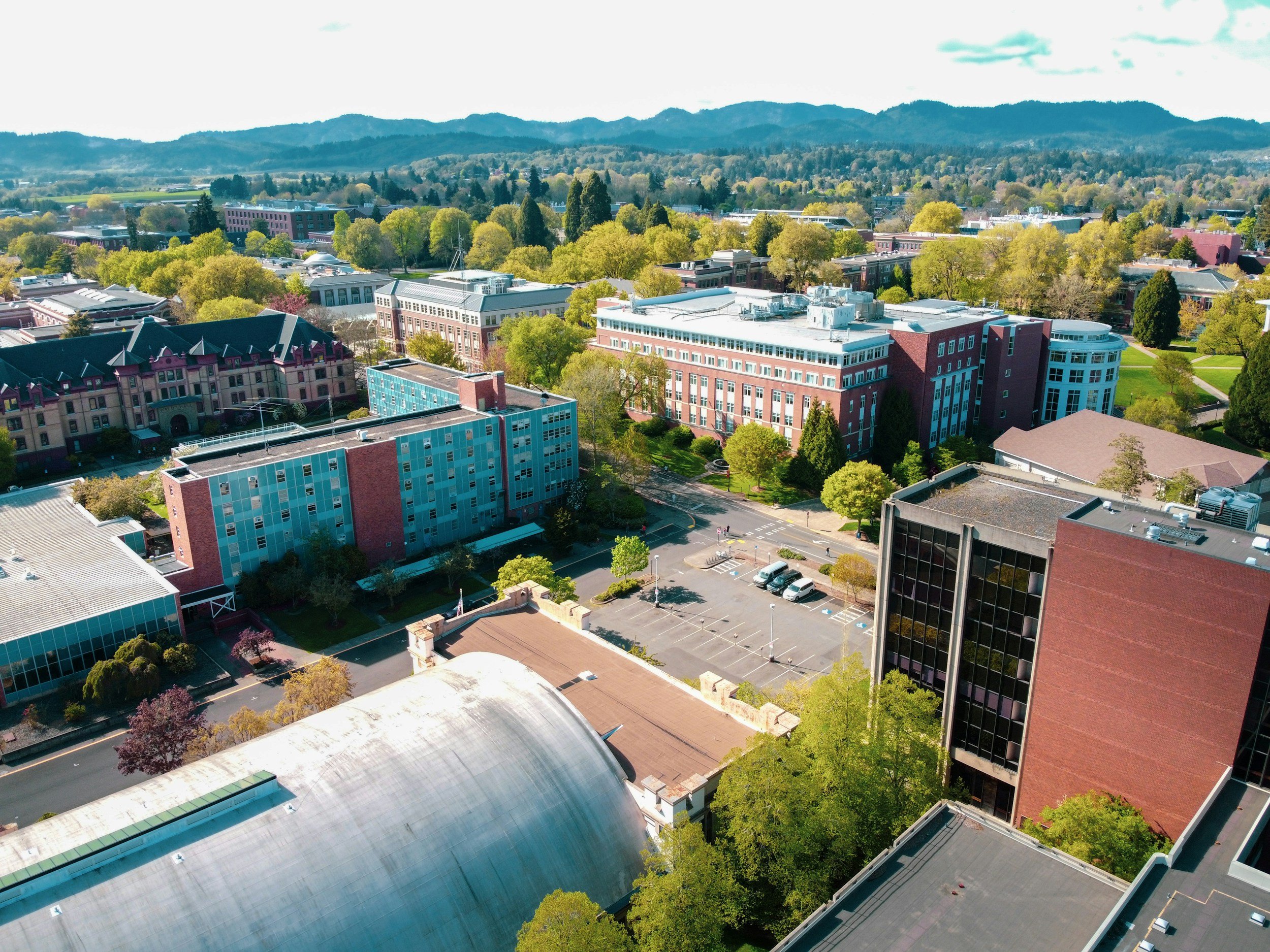
Education should be treated as economic infrastructure, just like roads and bridges.
If Oregon wants the best workforce in America, we need to remove barriers to education. That means moving toward:
Tuition-free public universities
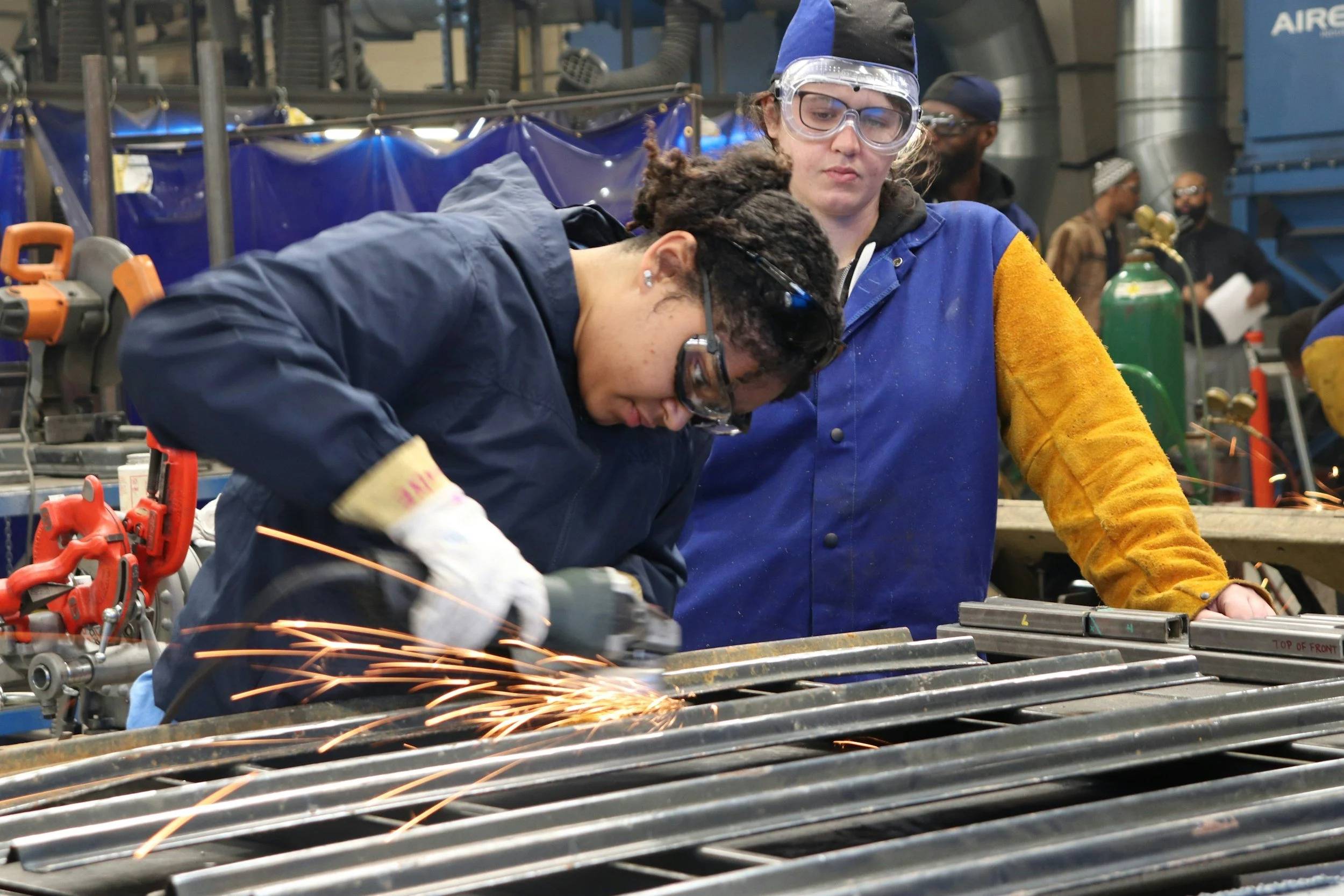
Free trade schools and apprenticeships
Stronger workforce training partnerships
In exchange, graduates would commit to living and working in Oregon for a period of time (eg. five years). If they leave early, they repay a portion of the cost, ensuring the investment strengthens Oregon’s economy, not another state’s.

Priority #2: Strengthen the K–12 Talent Pipeline
The talent flywheel only works if students are prepared to enter it. Right now, too many Oregon students are not meeting grade-level standards in reading and math. If we want a stronger economy, we need a stronger foundation. Which means:
Significantly increasing teacher pay to attract and retain top talent
Investing in early literacy and math outcomes
Supporting teachers with better tools, training, and classroom support
Teaching is one of the most important jobs in the economy, and we should treat it that way.
If we want top-tier outcomes, we need to pay teachers like top-tier professionals.
Best Case Scenario
Year 1: Policy Launch
Major media attention (“Oregon goes tuition-free”)
Enrollment spikes: +10–20% at public universities, +20–30% in trade programs
Current students benefit immediately → strong political goodwill
Year 2: Early Behavior Changes
Families begin relocating (“Free college in Oregon”)
Remote workers move early
Colleges actively recruit students in high-demand fields
Years 3–5: Momentum Phase
Education: Enrollment up 20–40%; trade programs surge (construction, healthcare, energy)
Migration: Population growth resumes; younger demographic (20s–30s)
Economy: Labor shortages ease; wages stabilize or rise
Perception: Oregon becomes “a smart place to build a future”
Years 6–10: The Payoff Window
Employment: graduates stay and fill roles in healthcare, engineering, education, and trades
Business Formation: ~3–5% start businesses. Contractors, small businesses, startups. Small percentage, large local impact
Tax Impact: each worker contributes ~$3K–$8K/year in state income tax, thousands of retained graduates → meaningful revenue growth. The policy begins to pay for itself.
Business Attraction: employers respond to growing talent base. Expansion, relocation, and startup growth follow.
Middle Case Scenario
Year 1: Policy Launch
Moderate enrollment bump (+5–10%)
Awareness builds gradually
Year 2: Early Behavior Changes
Slight increase in inbound migration, primarily regional
Years 3–5: Momentum Phase
Enrollment up ~10–20%
Migration modest
Workforce improves gradually
Economy sees steady but incremental gains
Years 6–10: The Payoff Window
Most graduates stay temporarily (due to requirement)
Some leave after 5 years
Modest economic lift
Policy outcome: helpful, but not transformative

Worst Case Scenario
Year 1: Policy Launch
Budget concerns dominate the narrative
Confusion around eligibility
Year 2: Early Behavior Changes
Limited awareness, minimal migration or enrollment change
Years 3–5: Momentum Phase
Schools strained (capacity issues)
Housing costs rise from increased demand
Job growth fails to keep pace
Narrative shifts: “We paid for education and got nothing back”
Years 6–10: The Payoff Window
Graduates stay for 5 years → leave immediately after
Job market too weak to retain talent
Underemployment increases
State investment results in: weak tax return, limited business growth
FAILURE CONDITIONS:
1. Job Creation: if jobs don’t exist: talent leaves, the flywheel breaks.
2. Housing Supply: if population grows but housing doesn’t, costs rise and public backlash builds.
3. Education Capacity: If systems don’t scale quality declines, outcomes weaken.
The Choice for Oregon
We can keep doing what we’ve been doing and continue to fall behind.
Or we can invest in people, build a stronger workforce, and create a system that drives long-term growth.
The talent flywheel is how we do that.